What is WordPress?
There is one platform that has quietly and seamlessly taken control of the internet. It's not a product of a tech giant like Google or Microsoft. It is a project that in its first version had only a few developers, and today it powers more than 40% of all websites on the planet. It's about WordPress. In this text, we reveal who created it, how it evolved and why today it is the first choice of professional web agencies like Widget to create modern, fast and optimized websites.
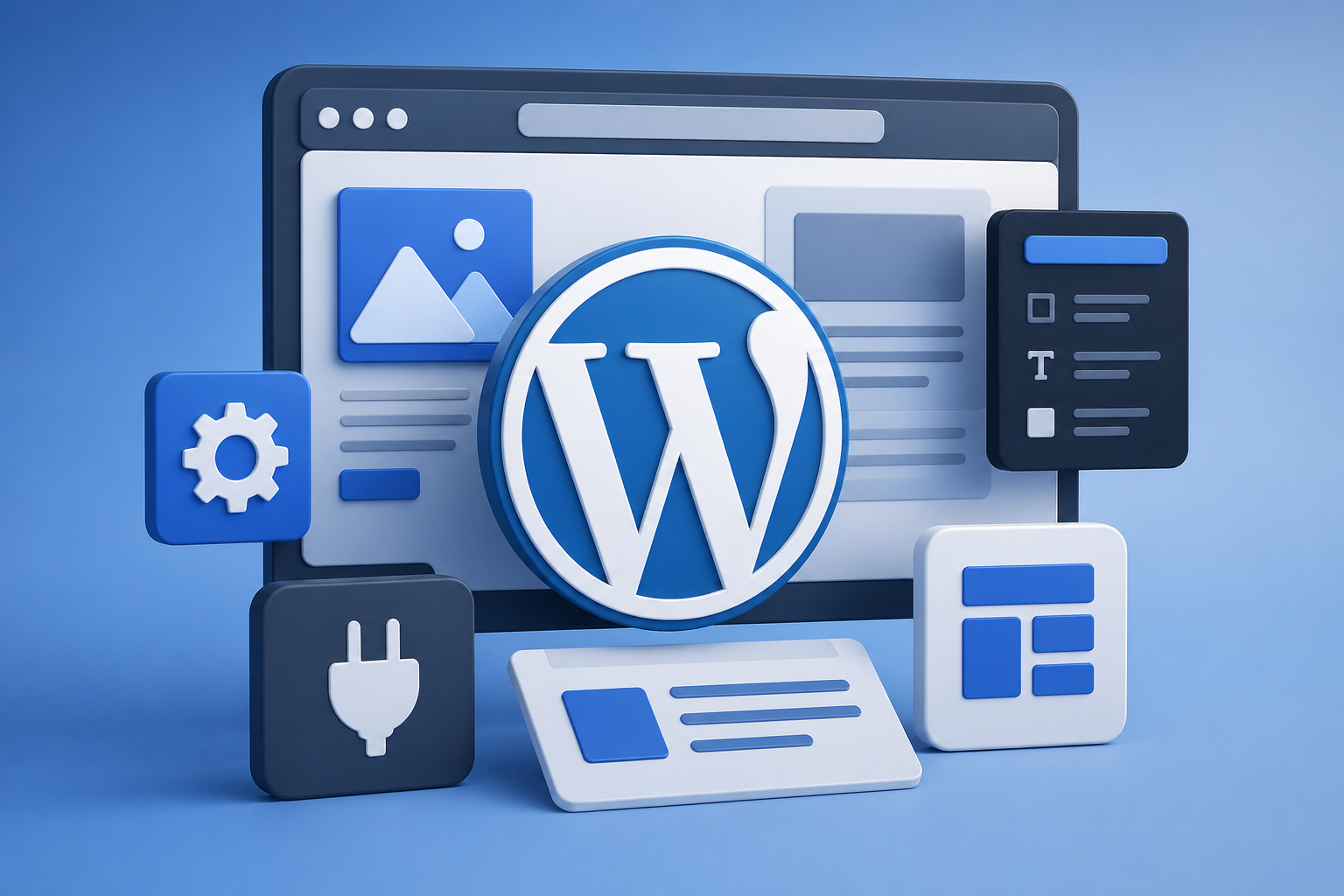
WordPress is a free content management system, known by the acronym CMS (Content Management System), which allows users to create and manage websites without advanced programming knowledge. It installs on a web server, comes with an intuitive content editing interface, and can be extended with thousands of themes and plugins.
In short: WordPress is a tool that democratizes the web. Thanks to it, a small craftsman, startup, restaurant or multinational company can have a professional website without the need for its own development team.
But to understand why WordPress is so powerful today, we need to go back to the very beginning.
Getting Started: b2/cafelog and WordPress Embryos
The story of WordPress begins in 2001, when French programmer Michel Valdrighi launched a project called b2/cafelog, an open-source blog platform written in PHP. The platform gained a modest user base, but in 2002 development practically stopped. Valdrighi stopped actively working on the project and the community was left without leadership.
This is where two young enthusiasts come into play for whom b2/cafelog was not just a tool, but a passion.
Matt Mullenweg and Mike Little: The Founders of a Revolution
In 2003, American programmer Matt Mullenweg and British programmer Mike Little decided to continue the development of b2/cafelog under a new name. On May 27, 2003, they released the first version of WordPress, version 0.7.
Matt Mullenweg was only 19 years old at the time.
The first version was modest, but functional. It had a clean admin panel, category support, typographically improved texts, and an imported codebase from b2/cafelog. Most importantly, it was available to everyone, free of charge, under an open source GPL license.
Mullenweg had a clear vision from day one: WordPress had to be accessible to everyone, it had to be simple, and it had to grow together with the community that uses it. That vision has remained unchanged to this day.
Growth and key moments in the history of WordPress
2004: Plugin system
Already in its second year of existence, WordPress got a plugin system that changed the game forever. Developers could now write their own extensions and share them with the community. This decision turned WordPress from a blog tool into an extensible system without borders.
2005: Themes and WordPress.com
Version 1.5 brought a system of interchangeable themes, and Matt Mullenweg founded the company Automattic, which launched WordPress.com, a hosted version of the platform available to anyone without technical knowledge. The difference between WordPress.org (self-hosted) and WordPress.com (hosted service) became the foundation of the business model that still exists today.
2008: Design becomes a priority
With version 2.7, WordPress received a completely redesigned administrative interface that made the platform user-friendly for non-technical users for the first time. Graphic designer Happy Cog designed an interface that set the standard for decades.
2010: WordPress becomes a global phenomenon
WordPress has crossed the 20 million download mark and has become the dominant CMS platform on the internet, ahead of competitors like Joomla and Drupal. Wordcamp conferences, a local WordPress community, and a system of volunteer translators have made it a global movement, not just software.
2011: Twentyeleven and the era of modern design
Every year, WordPress releases an official theme whose name contains the year. Starting with Twentyeleven, these themes have become serious, modern, and mobile-friendly, setting the standard for responsive design across the industry.
2018: The Gutenberg editor changes everything.
One of the controversial, but also the most important changes in the history of WordPress was the introduction of the Gutenberg block editor in version 5.0. Instead of the classic text editor, Gutenberg brings a system of blocks where each element of the page (title, paragraph, image, video, button) becomes a separate block that can be freely moved and edited.
The community was divided, but the results spoke for themselves: content editing became faster, more intuitive, and more accessible to non-developers.
2023 and 2024: Full site editing and AI integrations
Modern WordPress is characterized by Full Site Editing (FSE), a system that allows users to edit every part of a website through the Gutenberg interface, including headers, footers, and sidebars. Additionally, more and more plugins and themes are integrating AI tools for content generation, design suggestions, and automation.
WordPress Today: Numbers That Speak for Themselves
If you need evidence of WordPress dominance, here it is:
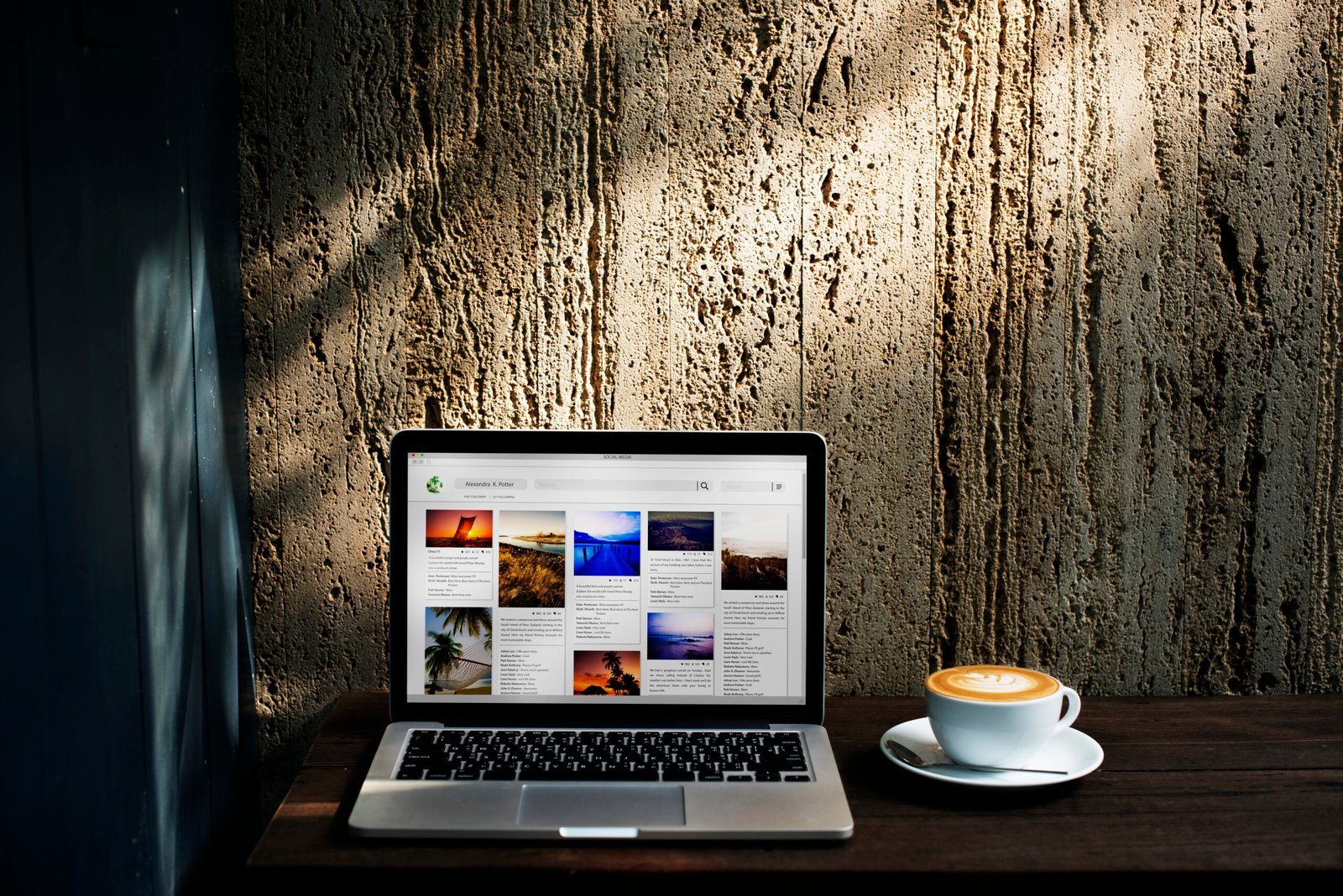
More than 40% of all websites on the internet are powered by WordPress. This means that out of every 10 websites you visit, statistically more than four run on WordPress. We are talking about hundreds of millions of websites.
The repository WordPress.org more than 59,000 free plugins and more than 11,000 free themes. With premium marketplaces like ThemeForest and CodeCanyon, the number of extensions available runs into the hundreds of thousands.
The weekly number of WordPress downloads consistently exceeds several million. Automattic, the company behind WordPress, is valued at multi-billion dollars in market value.
Some of the most famous websites in the world use WordPress: The New York Times blog, Microsoft News, Reuters blog, Beyoncé, Rolling Stone, TechCrunch, and thousands of government and academic institutions.
Why does Widget use WordPress to build websites?
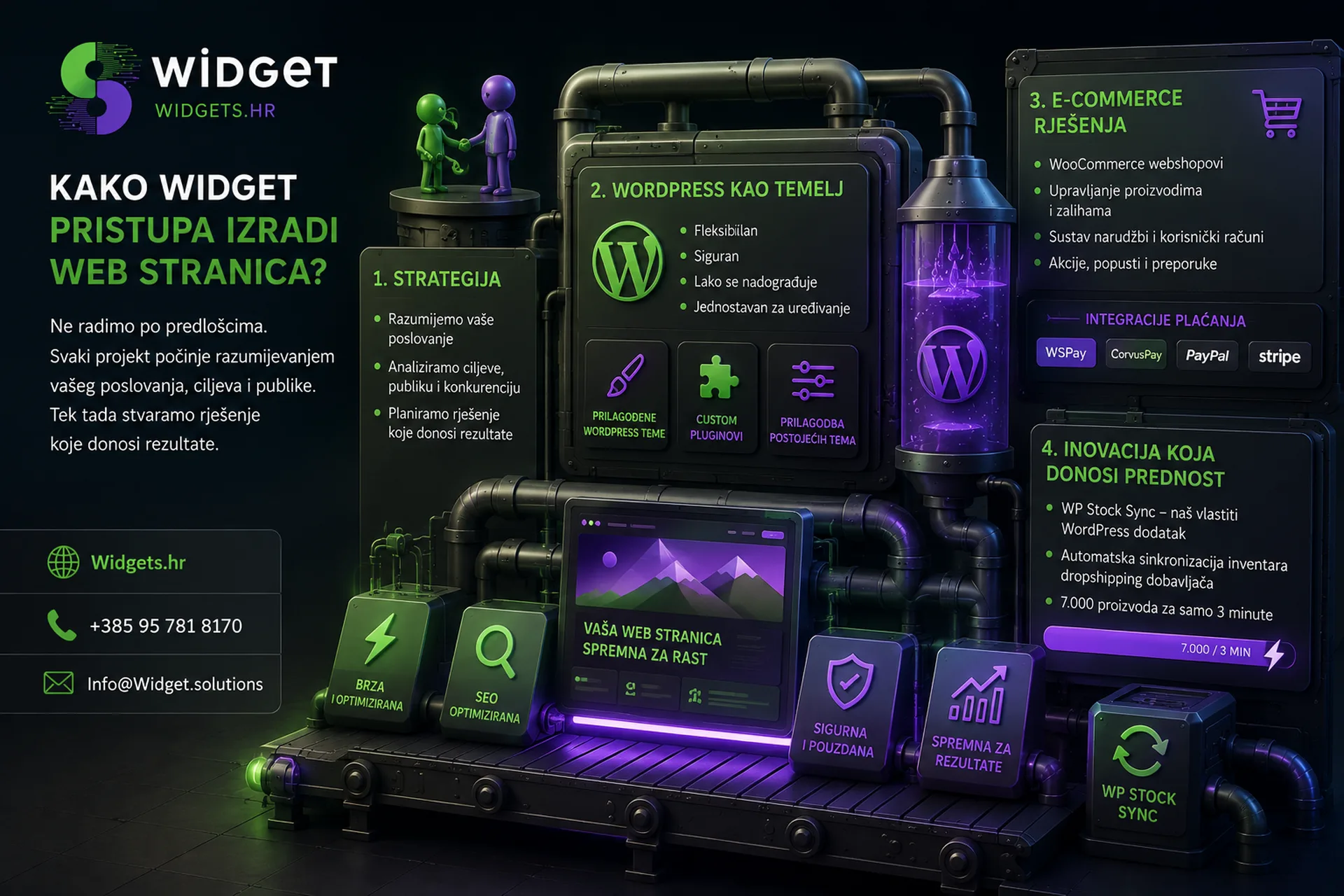
In Widget, WordPress is not just a tool by default, it is a conscious choice based on years of experience and proven results. Here's why:
Flexibility without limits. Whether a client needs a simple presentation page, a complex corporate portal, or a webshop with thousands of products, WordPress can do it. Our team develops custom themes, custom plugins, and complex integrations with external systems.
It's an SEO friendly platform. WordPress is search engine friendly in its architecture. In combination with professional SEO optimization and tools such as Yoast SEO, which we use ourselves, our clients achieve visible results on Google.
Easy content management. After submitting the project, clients can update the content themselves, add blog posts, and edit pages without any technical knowledge. This means less agency dependency and more control over your own business.
Safety and reliability. WordPress teams regularly release security updates. The widget as part of WordPress maintenance and hosting takes care of all updates, security upgrades and regular backups so that your site is always safe and up-to-date.
Our own plugin. We believe in WordPress so much that we developed our own plugin: WP Stock Sync, which automatically syncs dropshipping suppliers' inventory with the WooCommerce webshop. Seven thousand products updated in just three minutes. No manual labor.
WordPress.org or WordPress.com: What's the difference?
This is a question that often confuses beginners, so let's clarify it right away.
WordPress.org is a free, open-source platform that you download, install on your own hosting, and have full control over all aspects of the website. This is the version that the Widget uses for all projects.
WordPress.com is a commercial service from Automattic that hosts WordPress for you. It has a free plan with limitations and paid plans with more features, but you'll never have complete freedom like with the WordPress.org version.
For serious business, we always recommend WordPress.org with quality hosting.
The Future of WordPress
WordPress doesn't stagnate. The project is actively developed by more than 3,000 volunteers and professional developers from all over the world, with strong support from Automattic. The focus in the coming years is on Full Site Editing, better performance, better accessibility and deep integration with AI tools.
One thing is for sure: WordPress is not a temporary solution. It is a mature, proven platform with twenty years of tradition and a community that makes it better every year.
What we do with WordPress
From a modest fork project launched by two young developers in 2003 to a platform that powers more than 40% of the internet today, WordPress is one of the most impressive success stories in software history. He democratized the web, gave a voice to millions, and created an ecosystem that employs hundreds of thousands of people around the world.
In Widget, WordPress is the foundation of everything we do. We use it because it is flexible, scalable, secure, and because it delivers measurable results to our clients. If you also want a website built on the best foundations, contact us today.
📞 Contact: +385 95 781 8170 🌐 Web: widgets.hr
Widget – One agency. All services. Zero stress.