What is a blog and what is it for?
Many business owners consider blogging to be a luxury or something that is reserved for large corporations with marketing departments. The reality is completely different. A blog is one of the most powerful, cost-effective, and long-lasting tools your business can use to grow online. At Widget we know this from experience, and in this article we share everything you need to know about why a blog is not an option but a necessity.
A blog is a regularly updated part of your website where you publish professional, useful or informative texts related to your business, industry or topic that interests your target audience.
Unlike paid advertising, which stops as soon as you stop budgeting, a blog works for you for free and permanently. An article you write today can bring visitors to your site in two, three or five years. It is an investment with one of the highest returns in digital marketing.
How does a blog help SEO and ranking on Google?
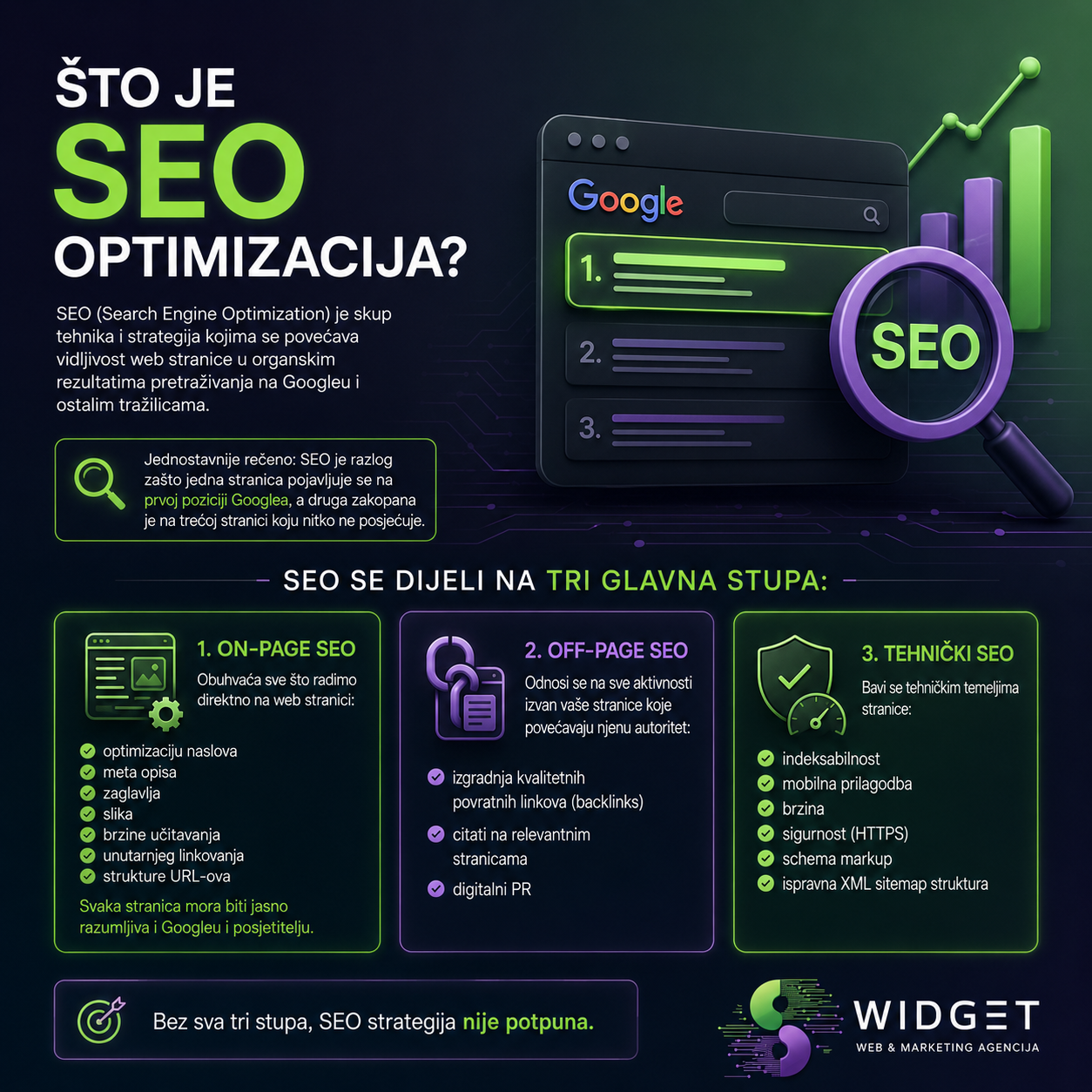
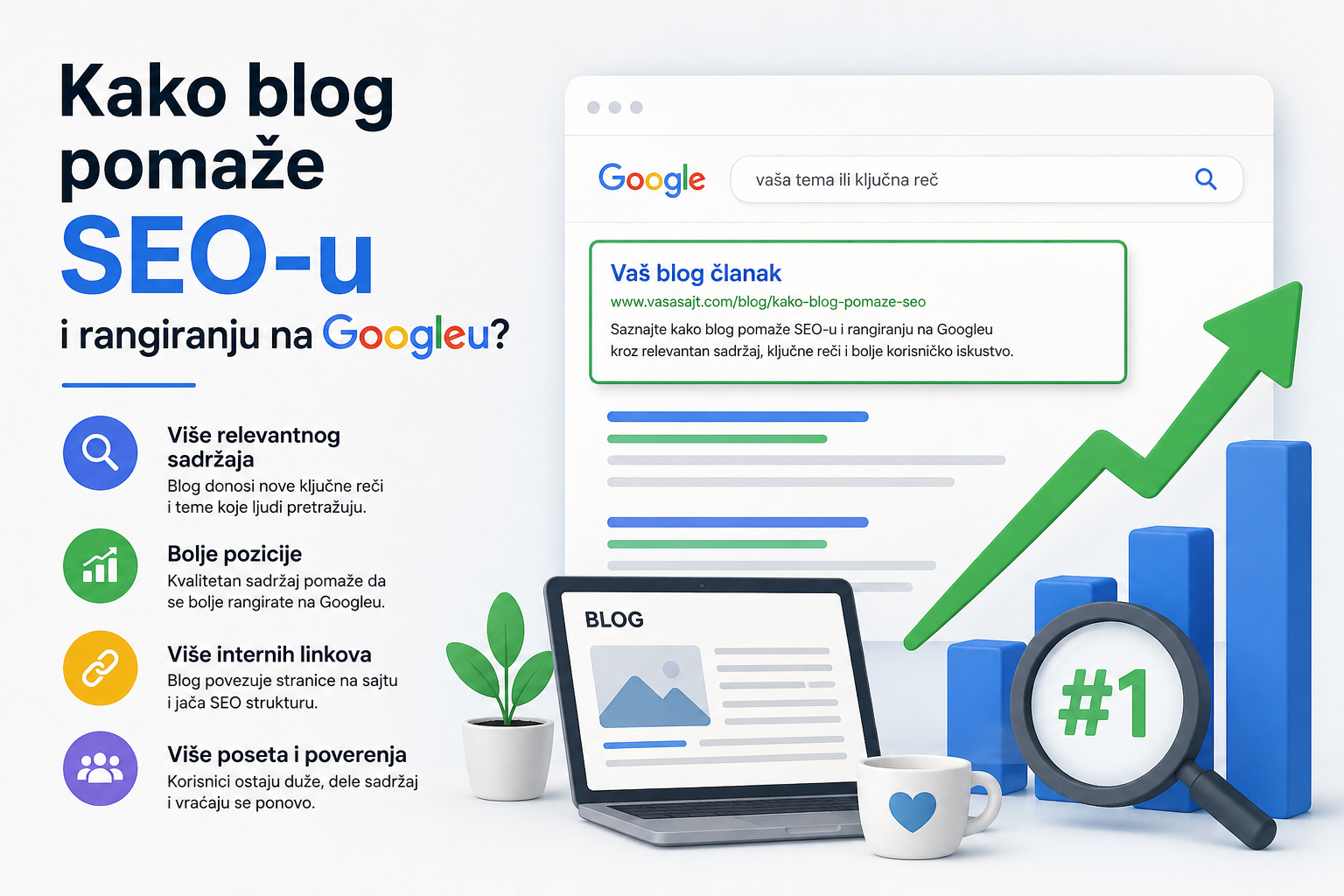
This is perhaps the most important reason why any business that takes its online presence seriously needs a blog. Google loves fresh, high-quality, and relevant content. Every new blog post is a new page on your website, and every new page is a new opportunity to appear high in search results.
More keywords, more visitors
Imagine that you sell interior design services. Your front page may be optimized for "interior design Zagreb", but what about people who search for "how to choose a living room color", "tips for a small apartment" or "interior trends 2026"? Without a blog, you lose all those visitors. With a blog, each of these queries can bring the right people directly to you.
Long-tail keywords
Some of the most valuable keywords are actually long and specific phrases that users type when they are close to making a purchase decision. For example, someone who searches for "building a website for a restaurant in Rijeka" is far closer to buying than someone who just writes "website". With a blog, you target exactly such high-converting queries.
Internal Links and Page Authority
Each blog post allows you to link to your services, contact page, or other content. Google sees this as a signal of structure and relevance, and it makes it easier for your visitors to navigate and increases time spent on the page, which is another positive signal for rankings.

A blog builds trust and positions you as an expert
When a potential client comes to your website and finds useful, detailed and professional texts, they automatically conclude one thing: these people know what they are doing. Trust is the foundation of any sale, and a blog is one of the most effective ways to build it, even before a client ever talks to you.
A company that regularly shares knowledge, answers frequently asked questions, and educates its audience is perceived as an industry leader. And in an industry where competition exists at every turn, expertise and trust are your greatest asset.
Blogs bring clients who are already interested
This is a concept in marketing called inbound marketing, attracting customers who are already actively looking for what you offer, instead of you forcing ads on them.
When someone finds your blog post through Google, it means that they were actively looking for information related to your industry. That visitor is a warm contact, not a cold one. There is already interest, and your task is only to turn it into a client with quality content and a clear call to action.
At Widget, we regularly see from our clients that organic traffic from a blog brings far better potential customers than generic traffic from ads.

How often should you write a blog?
This question is asked by almost everyone. The answer depends on your industry and capacity, but there's one golden rule: consistency is more important than frequency.
It's better to publish one quality, in-depth article a week than to publish superficial content every day. Google and readers value quality. Short, two-hundred-word texts don't help anyone and can even hurt your SEO.
In general, we recommend:
- For smaller companies: a minimum of two to four posts per month
- For more active brands: one to two posts per week
- For aggressive growth: daily posts with a strong content strategy
It is also important that each post has a clear topic, a target keyword, a structure with headings and subheadings, and that it is long enough to really answer the user's question. The ideal blog post length for SEO ranges between 1,200 and 2,500 words.
What to write on a blog?
Ovo je dio gdje mnogi zapnu. “Nemamo pojma o čemu bismo pisali” jedna je od najčešćih rečenica koje čujemo od klijenata. Istina je da svaka tvrtka ima neiscrpan izvor tema, samo ih treba znati pronaći.
Answer questions your customers ask
Every question a client asks you over the phone, email, or in person is a potential blog post. "How much does it cost to build a website?", "How does SEO work?", "What is WooCommerce?" are perfect topics because you know there are people who google them.
Write about processes and methods.
Describe how you work, what tools you use, what is your approach to problem solving. This gives customers insight into your work and builds trust, and gives Google unique, original content.
Current events and trends in the industry
What's new in your industry? What are the trends for 2026? What has changed in regulation, technology, or consumer behavior? Be that voice that follows the changes and informs your audience.
Step-by-step guides and tutorials
"How to make X in Y steps" is one of the most searched formats on Google. Users love specific, actionable instructions, and such articles have excellent results in both search and social media sharing.
Blog and social media: the perfect combination
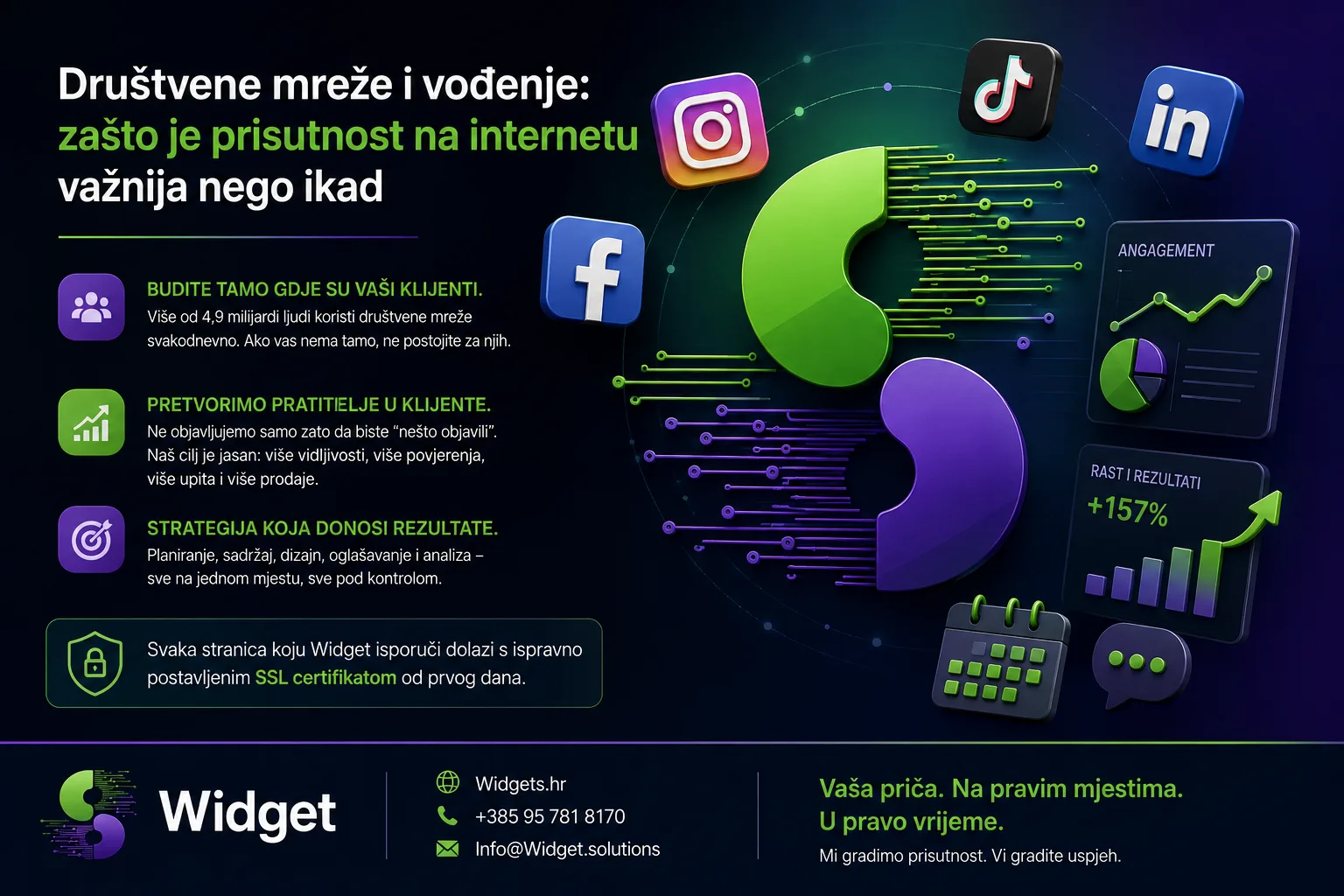
A blog post is not content that lives only on your website. Every well-written article is a source of material for weeks of social media content.
You can turn a single blog post into:
- A few posts on Instagram or Facebook
- A LinkedIn post with key points.
- Short Reels or TikTok video with the most interesting information
- Email newsletter you send to subscribers
- Infographic to be shared
In the Widget, we access each blog post as part of a broader content strategy. The content you create once lives in multiple places, works for you on multiple channels, and delivers results in the long run.
Mistakes Companies Make With A Blog
In order not to fall into the same traps as many others, here are the most common mistakes we see:
Writing for search engines, not for people. Filling texts with keywords makes no sense. Today, Google is smart enough to recognize this kind of content and punish it with worse rankings.
Inconsistency. Initial enthusiasm, ten posts in the first week, then complete silence for six months. A blog that is not updated regularly does not bring results.
Nedostatak poziva na akciju. Svaki blog post treba imati jasan sljedeći korak za čitatelja: “kontaktirajte nas”, “preuzmite vodič”, “naručite besplatnu konzultaciju”. Bez toga, posjetitelji odlaze bez ostavljanja traga.
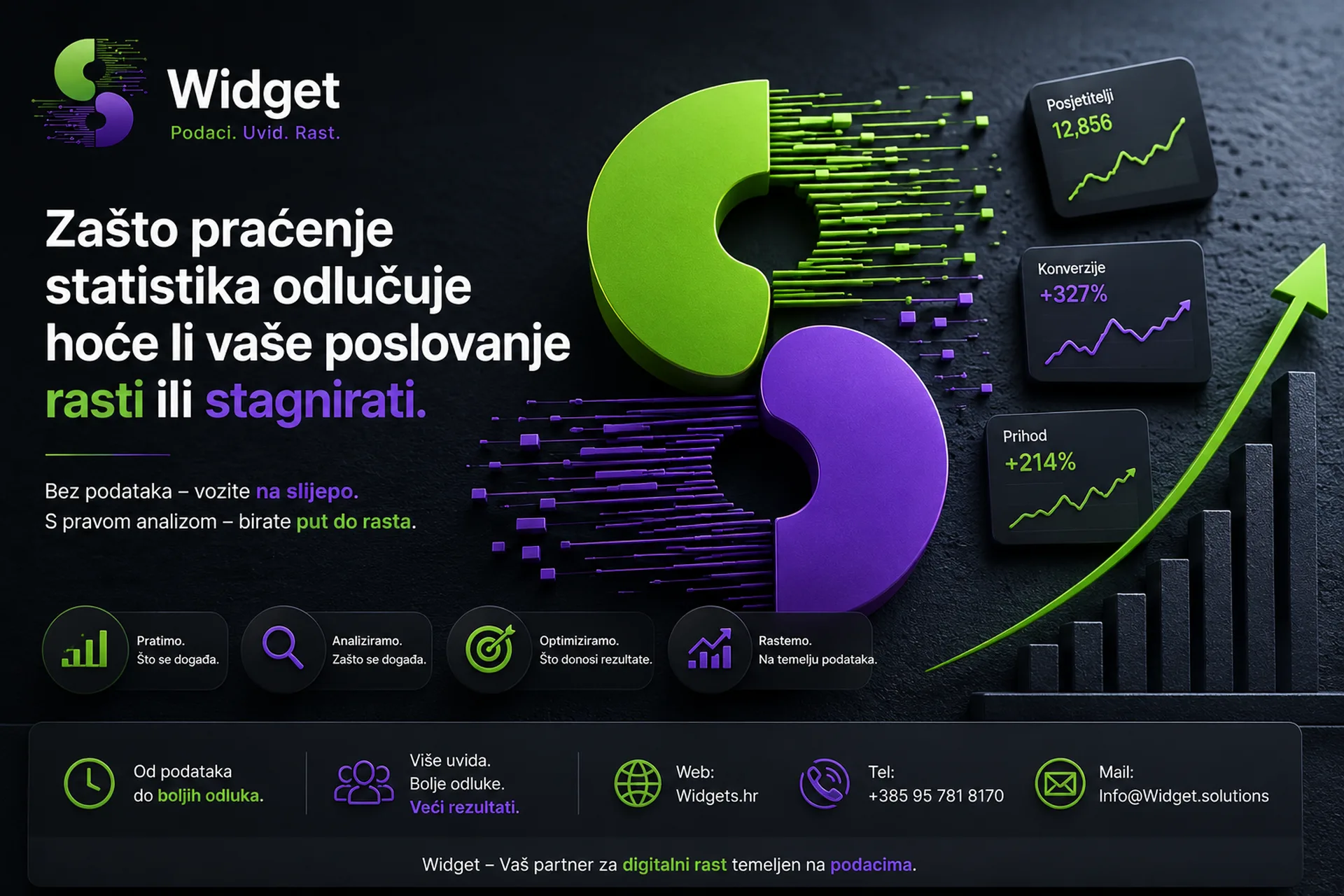
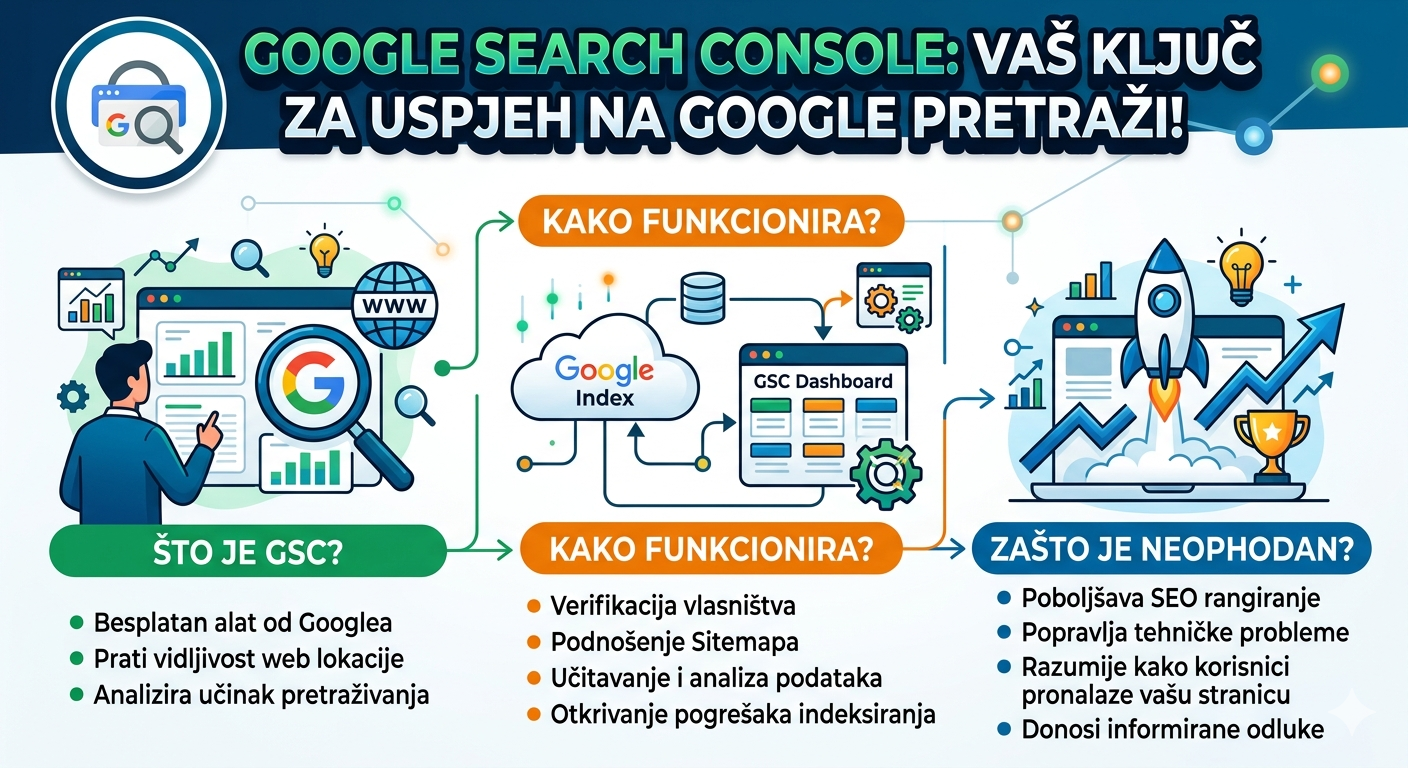
Ignoring analytics. Which posts bring in the most traffic? Which ones have the most conversions? Without following the results, you write in the dark. Setting up Google Analytics and Google Search Console is the basic thing that Widget does for all clients from day one.

How Can Widget Help With Your Blog?
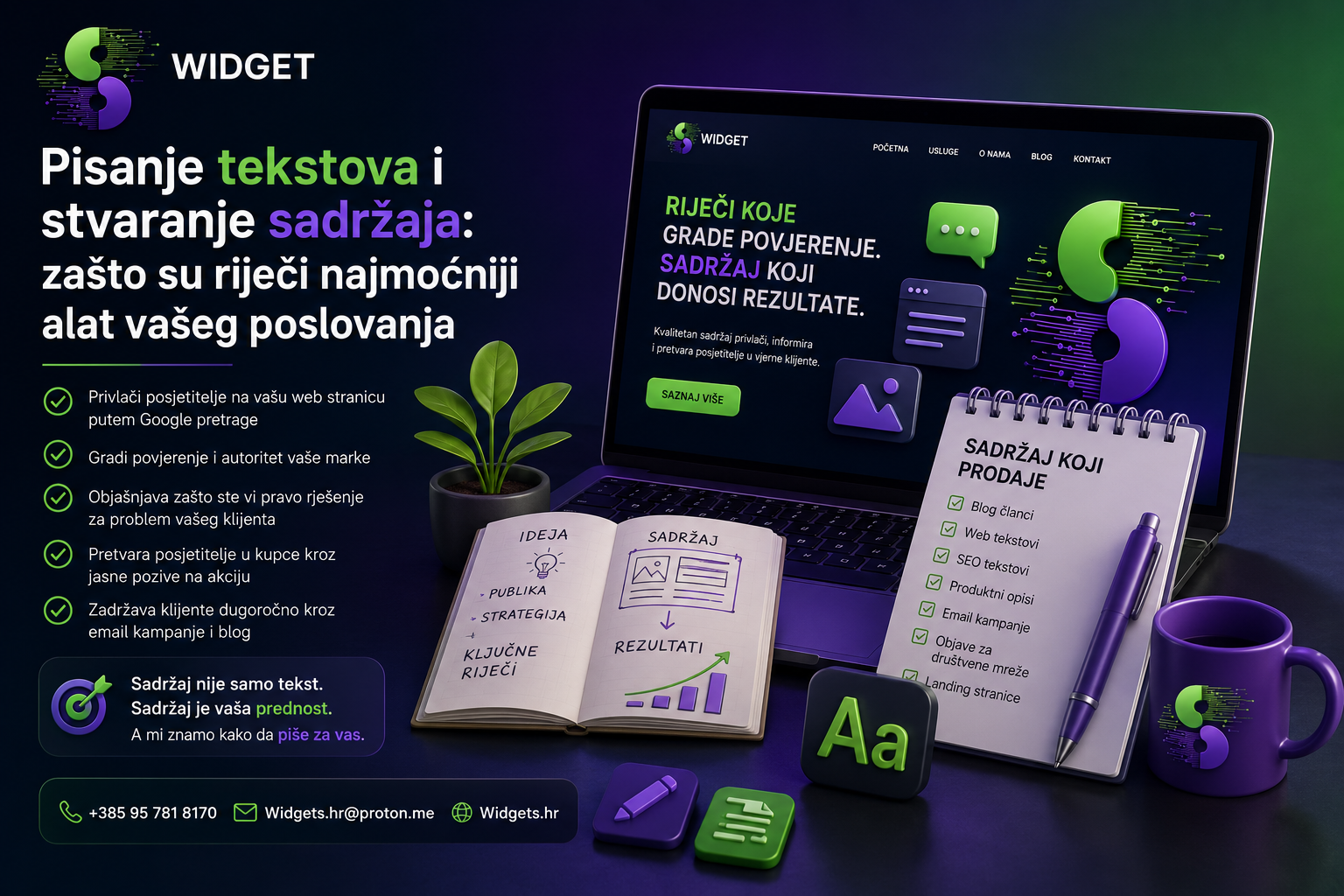
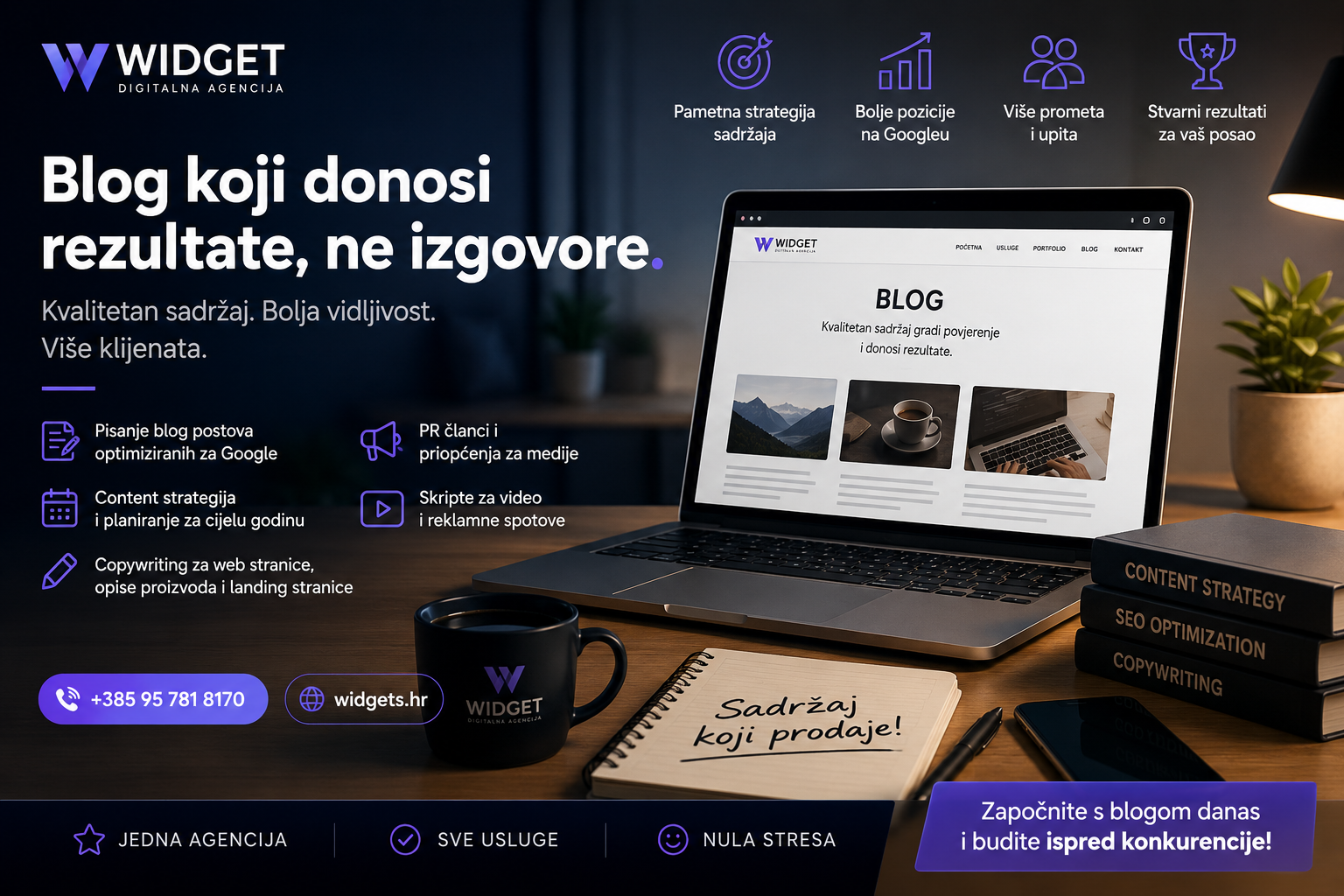
Widget offers a complete content writing service tailored to your business. Our team of copywriting and content marketing experts takes over the entire process, from keyword research and topic planning to writing, optimization, and publishing.
We offer:
- How to Write Blog Posts Optimized for Google
- Complete content strategy and content planning for the entire year
- Copywriting for websites, product descriptions, and landing pages
- PR articles and press releases
- Scripts for video and advertising spots
Everything we write, we write with one goal in mind: to bring you results. It's not about nice words, it's about content that sells.
Start Your Blog Today
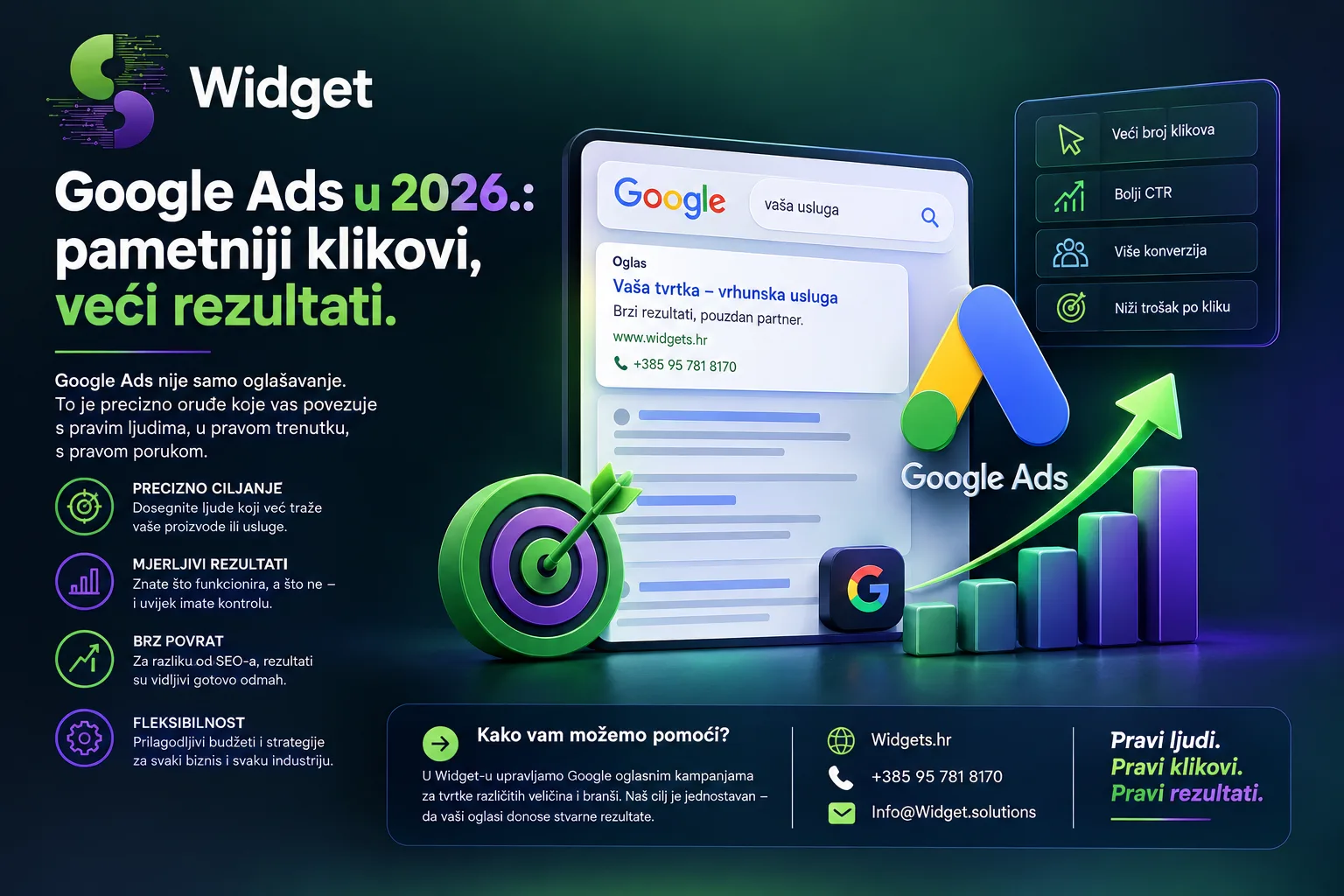
A blog is not a trend that passes. Companies that invest in quality content today build an advantage that lasts for years. The organic traffic that a blog brings doesn't disappear when you spend your ad budget, it builds and grows over time.
If you don't have a blog yet, now is a good time to start. If you have a blog but it's not delivering results, there may be a problem with access, and Widget is here to fix it.
Call us, arrange a free consultation and together we will create a content plan that will put your company ahead of the competition on Google.
📞 Contact: +385 95 781 8170 🌐 Web: widgets.hr
Widget, one agency. All services. Zero stress.